
TRIATHLON COACHING
FOR MORE THAN THE FINISH LINE
Personal coaching for age-group athletes who want to perform better, understand themselves better and discover what they’re capable of — in sport and beyond it.
Training should fit around your life, not take it over. At Tribirdsport, the plan is only part of the coaching. You’ll learn why you’re doing what you’re doing, how to adapt, reflect and make better decisions — building confidence and capability that lasts far beyond race day.
Maybe you know where you want to go.
You’re just not sure how to get there.
Perhaps you’ve entered your first triathlon and suddenly realised you need to train for three different sports — while somehow fitting it around work, family and the rest of your life.
Maybe you’ve been training yourself for a while. You’re putting the effort in, but you’re not improving the way you’d hoped. You’re not sure whether you’re doing too much, too little, or simply the wrong things. And then there’s pacing, fuelling, recovery and all the conflicting advice telling you what you should be doing.
Or perhaps your goals have grown. Your first Ironman. A faster time. A GB qualification. You know what you want to achieve, but you’re not quite sure how to bridge the gap between where you are now and where you want to be.
Sometimes you even know something isn’t working — you’re just not sure you’ve identified the right problem.
And if you’ve ever thought:
“I’m not good enough to have a coach.”
You’re not alone.
Coaching isn’t reserved for elite athletes. You don’t need to reach a certain speed, distance or level before you’re worthy of support.
You can be learning how to do your first triathlon or chasing a place on a GB age-group team.
You just need to be ready to learn.
You don’t need to have all the answers.
That’s what coaching is for.
Good coaching isn’t just about being told what session to do next.
It’s about understanding why you’re doing it, what you’re learning from it and what to do when real life doesn’t follow the plan.
At Tribirdsport, we look at the whole picture. Training matters, but so do your sleep, recovery, fuelling, stress, confidence and everything else competing for your time and energy.
You’ll be encouraged to ask questions, reflect on what happened and understand your own patterns — not simply collect green boxes in TrainingPeaks.
Sometimes we’ll change the plan. Sometimes we’ll change how you approach it. And sometimes the best coaching decision might be to do less, not more.
Over time, you’ll become more confident, more knowledgeable and better able to make decisions for yourself — in training, on race day and, often, well beyond sport.
Because the goal isn’t to make you dependent on a coach. It’s to help you become a better athlete by understanding yourself.
HOW I CAN SUPPORT YOU
Choose the level of support that’s right for you
There isn’t one right way to be coached. You might want someone alongside you throughout your training, a regular opportunity to step back and make sure you’re heading in the right direction, or help with a specific part of your triathlon.
Tribirdsport Membership
For athletes who want structure, guidance and support without needing full 1:1 coaching.
You’ll have the Tribirdsport resources to help you understand your training, navigate the decisions that come with it and learn more about yourself as an athlete — whether you’re finding your feet in triathlon or ready to take more ownership of your training.
Every six weeks, I’ll review how your training is going, look for patterns and identify anything that needs attention. You’ll receive my feedback in a report, and I’ll use what I learn from the review to help shape your next six weeks of training.
Explore Membership
1:1 Triathlon Coaching
For athletes who want the highest level of individual online coaching and support.
Your training is built around you — your goals, your experience, your life and what’s happening right now — with ongoing communication and monthly 1:1 coaching calls to help us make decisions together.
Explore 1:1 Coaching
Swimming
Whether open water is the thing making you nervous, you want to understand what’s happening in your stroke, or swimming is simply the part of triathlon you know needs some attention.
Explore open-water coaching and swim technique support in Reading and Berkshire.
REAL ATHLETES. REAL JOURNEYS.
The result matters. But so does who you become getting there.
Every athlete comes to Tribirdsport with a goal. But some of the biggest changes happen in the process of getting there.
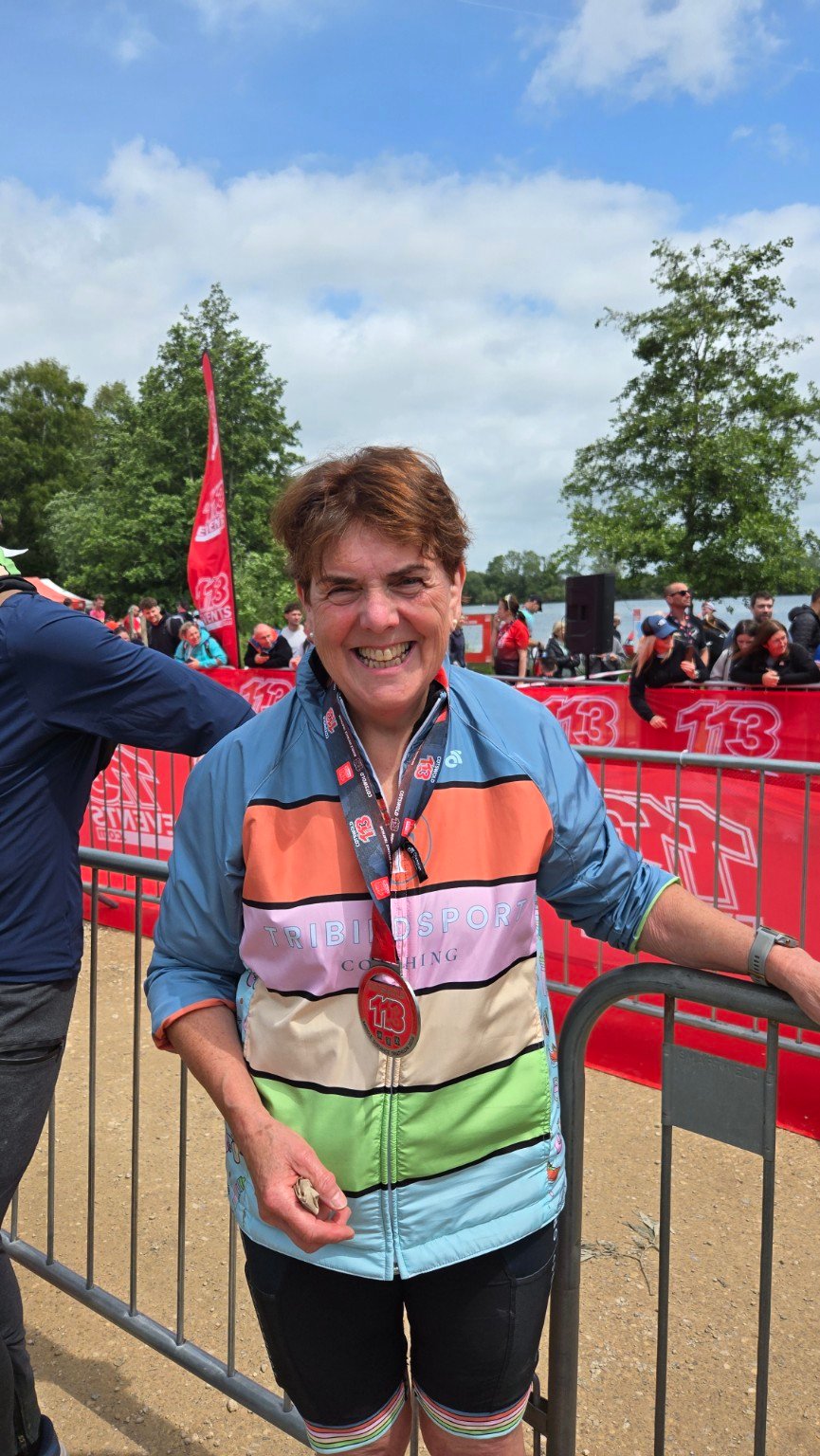
Louise — from managing the chimp to managing herself
Before Windermere, the scale of swimming 17 km could feel overwhelming. We worked on breaking the challenge down: staying in the moment, focusing on what she could control and dealing with one problem at a time rather than mentally swimming the whole distance before she’d even started.
At Windermere, Louise swam 15 km in more than seven hours. Even when her arm became troublesome, her thinking wasn’t “this is the end.” It was “how do I manage this?”
A couple of weeks later she told me:
“I had so many things to focus on there was no room for thinking how long I’d been swimming.”
The distance hadn’t changed. The way Louise approached it had.
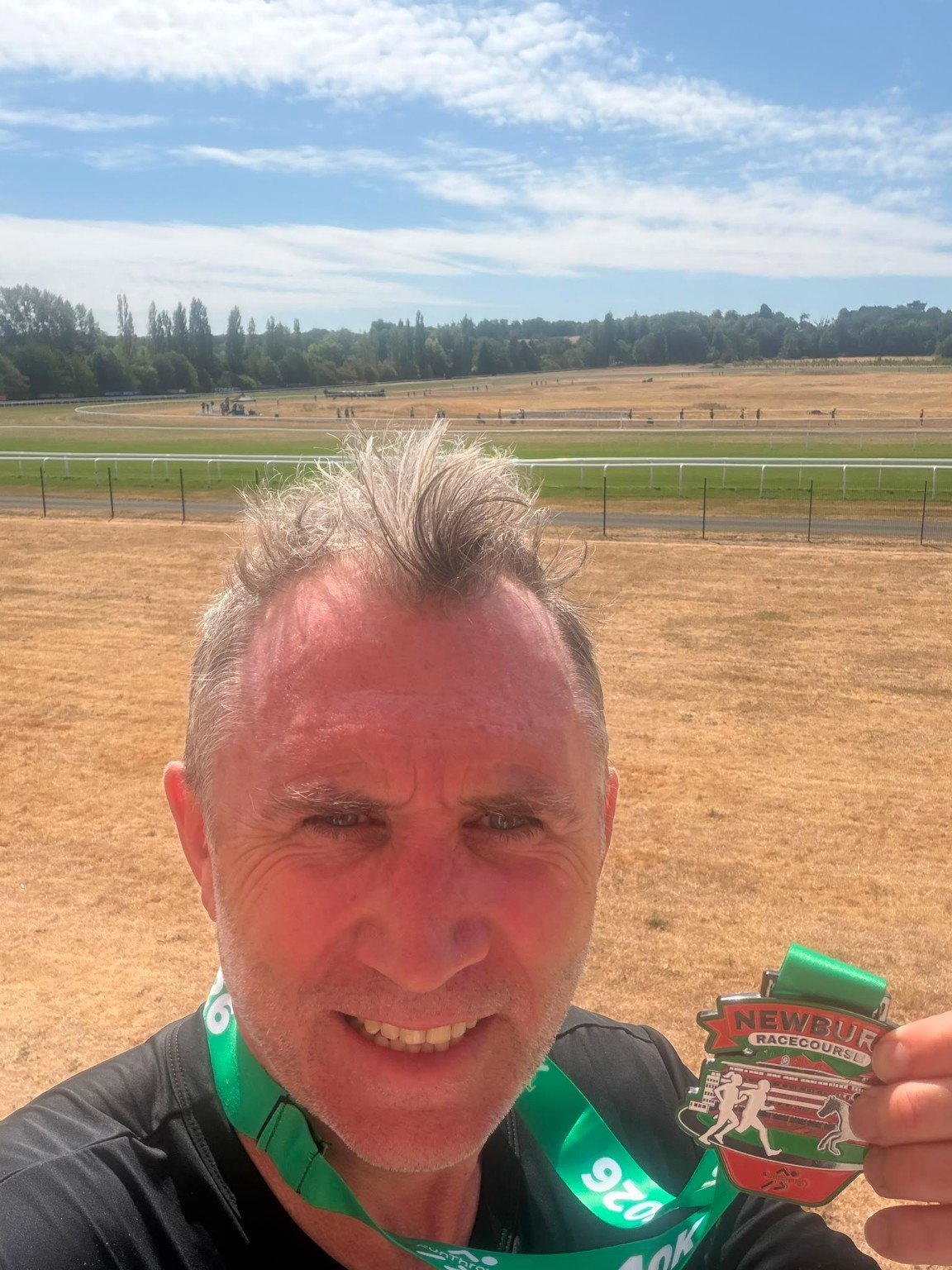
Mark — learning that harder isn’t always better
Mark loves working hard. Sometimes a little too much. 😂
For a long time, the instinct was simple: go harder, keep going and get the session done. But good training isn’t about proving how hard you can work every time.
Through reflection, questions and plenty of conversations about pacing and purpose, Mark is starting to recognise what’s happening while he’s training — and make different decisions because of it.
Recently, after battling through a swim when fatigue was affecting his technique, he caught himself thinking:
“What would Jennie have said?”
He already knew the answer.
That’s the goal: not simply following instructions, but learning enough to make better decisions for yourself.
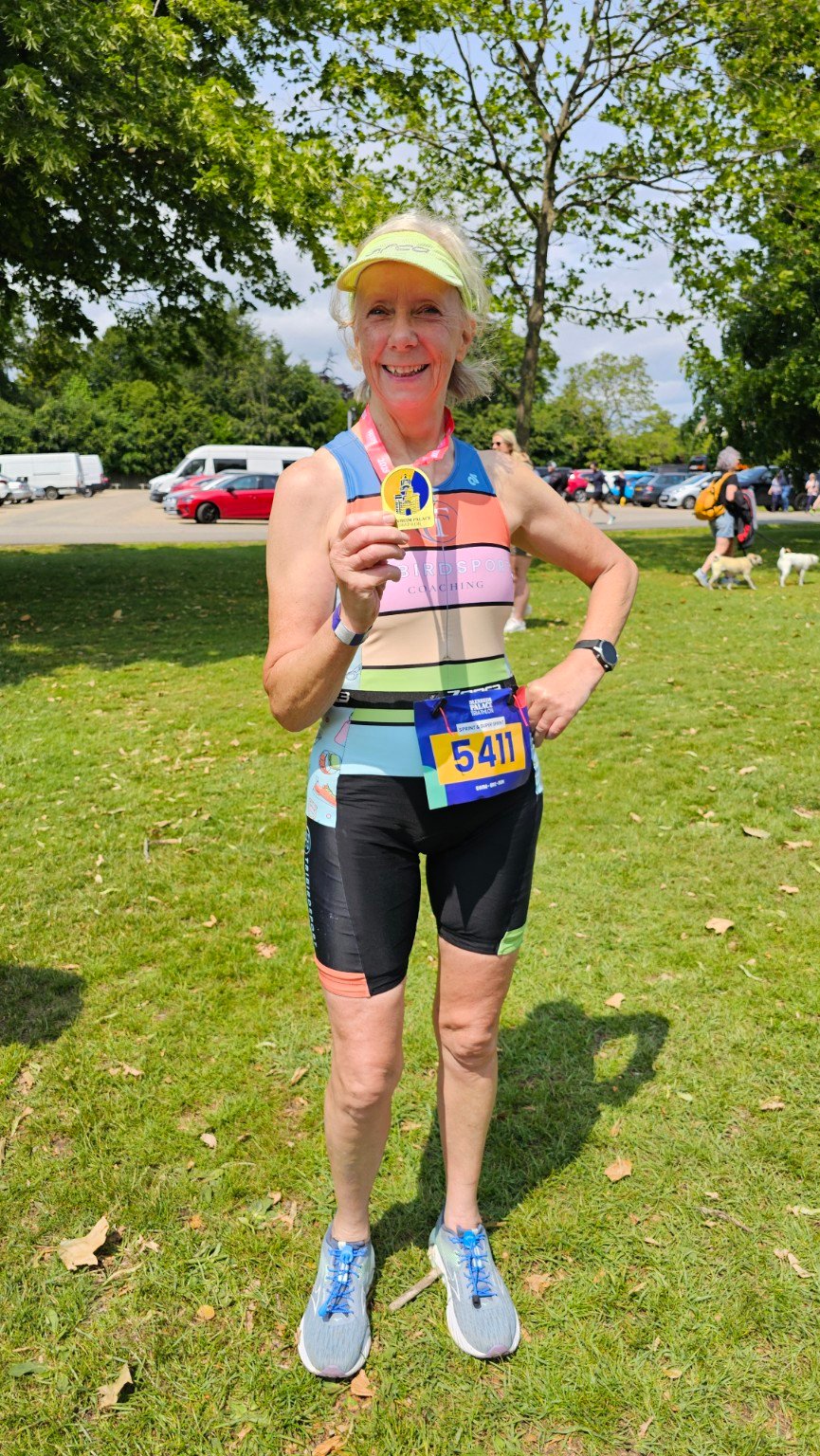
Tina — learning to define success on her own terms
Tina started the ride nervous about Streatley Hill. She’d heard plenty about how tough it was, and in the past a hill like that could easily have become a test of whether she was good enough.
But we’d been working on a different approach: make the hills easier, ride at your own effort and don’t measure your success by what everybody else is doing.
During the sportive, Tina rode 13 of the 14 hills, found herself overtaking other riders without going flat out and noticed she was reaching the top of climbs without her breathing being completely out of control.
On Streatley itself, she got just over halfway before recognising that continuing risked a fall. So she unclipped safely and walked.
“It’s not the end of the world, I enjoyed it.”
She also adapted her fuelling when her planned nutrition didn’t arrive and finished a hot, hilly sportive feeling good.
That’s progress: becoming fitter and stronger, but also learning how to pace yourself, adapt when things don’t go to plan, make good decisions and recognise just how far you’ve come.
MEET JENNIE
I wasn’t always a triathlete either
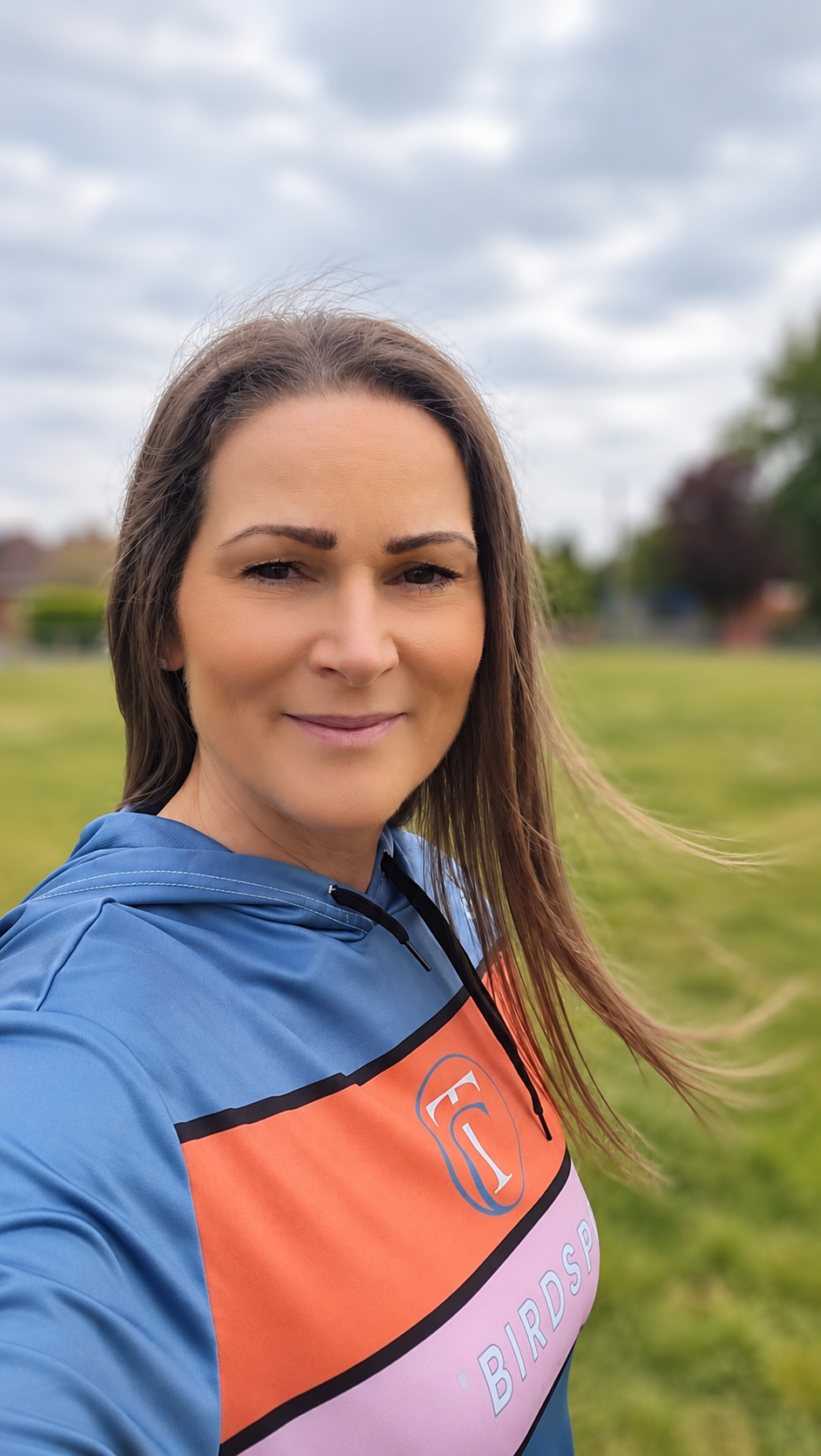
Before triathlon, my world was strength training and the gym. I couldn’t swim properly, hadn’t ridden a bike for years and running outside was a very different prospect from the odd short run on a treadmill.
Then I decided to try something different.
Triathlon became far more than a sport for me. It challenged me, gave me confidence, friendships and experiences I never expected — and showed me just how much we’re capable of when we’re willing to learn and keep showing up.
Eventually, hip problems stopped me racing and led me into coaching. I’d already spent years working in fitness and strength, but coaching endurance athletes gave me a way to stay in the sport I loved — and more than a decade later, I’m still here.
Today I’m a British Triathlon Level 3 High Performance Coach based in Reading, Berkshire. I also have qualifications in biomechanics screening, strength training and sports therapy, alongside being a TrainingPeaks Level 2 Certified Coach — knowledge that all feeds into how I coach the whole athlete.
But those qualifications aren’t what shape my coaching most.
I’ve been the beginner who didn’t know what she was doing. I’ve chased big goals. I’ve had a body that changed the plan. And I’ve discovered that sometimes the biggest thing sport changes isn’t your finish time — it’s you.
READY TO SEE WHERE THIS COULD TAKE YOU?
Your next challenge might be the start of something bigger.
You don’t need to know exactly where you’re heading yet.
Maybe you’ve already got a race in the diary. Maybe you’ve reached the point where doing it alone isn’t working anymore. Or perhaps you’ve simply decided you’re ready to find out what you’re capable of.
We can start with a conversation.
Tell me where you are now, what you’re hoping to achieve and what’s getting in the way. We’ll talk through whether Tribirdsport coaching is right for you — and which level of support would make sense.
No pressure. No hard sell. Just a conversation about you and where you want to go next.